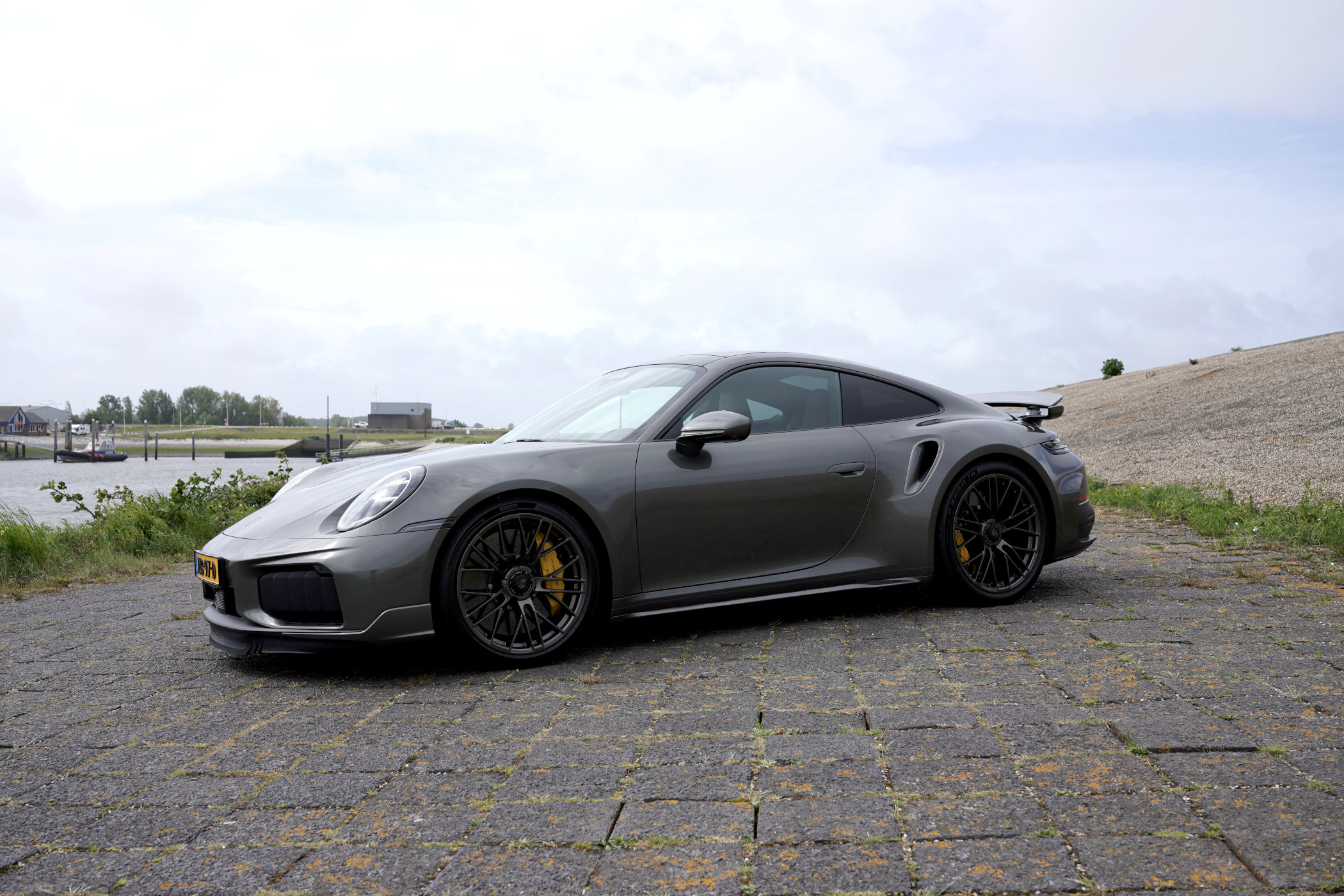
How much horsepower is enough? Or better yet, how much horsepower is too much? While there’s surely no definitive answer, it seems like there’s no end to the power craze in performance cars. The latest generation of Super- and Hypercars are almost always pushing 1,000-horsepower figures, or more, and we’re not even touching upon full EV ones. But is that usable in the real world? Can you pick up the kids, do groceries with it, and blast down to the Côte d’Azur in comfort and speed? Well, that’s quite the challenge, as virtually none have space for more than two plus a bit of luggage, and some even render you deaf and turn your spine to dust by the time you get there. So what’s the answer if you want something that’s versatile enough for everyday life, but also blisteringly fast when you need it to be? Porsche has the perfect answer, and it goes by the name of 911 Turbo S.
The turbo legacy
Porsche is a true pioneer in turbocharging and has used it to great success in both racing and sports car manufacturing. The company introduced the very first 911 Turbo all the way back in 1975, but before then, track weapons like the 911 RSR 2.1 Turbo and the monsterously powerful 917-30, nicknamed the ‘Turbo Panzer‘, explored the seemingly limitless realms of forced induction. The 930 Turbo (or 930 Turbo Carrera in the US) paved the way as a homologation car for the 934 and 935 that dominated the race tracks in the years that followed, pushing horsepower levels higher and higher.
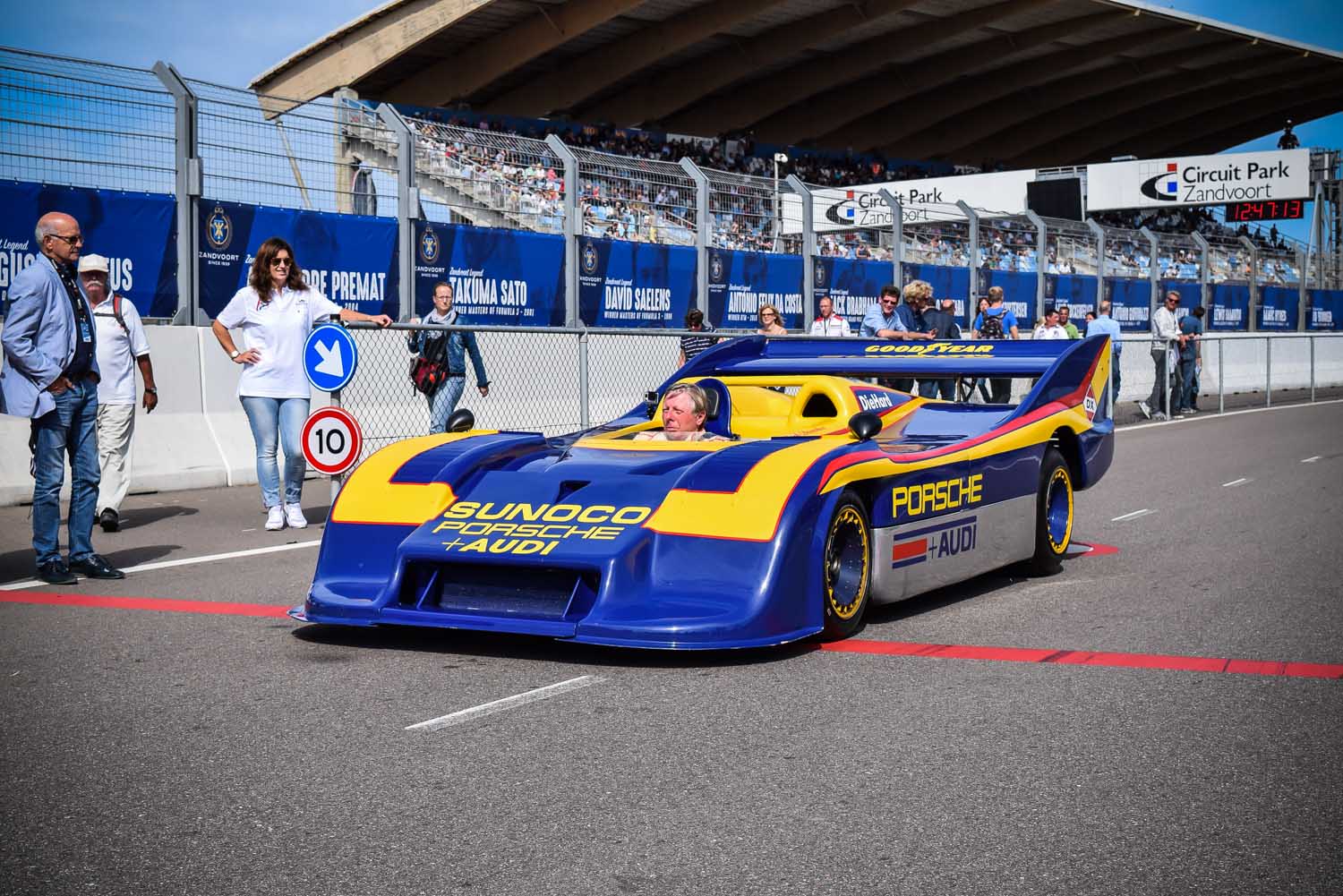 The 1973 Porsche 917-30 ‘Turbo Panzer’.
Along with the 3.0-litre flat-six engine with a single turbo (and the later 3.3-litre unit), the 930 Turbo also introduced the iconic “whale tail” rear wing and wider body style of the narrower non-turbocharged Carrera 3.0 that preceded it. It had about 260bhp when first introduced, increasing to 300bhp in 1978, and the car remained in production until the 964-gen 911 took over in 1989. Porsche produced about 3,000 cars with the 3.0-litre engine, and close to 19,000 cars with the bigger, more powerful 3.3-litre block.

Porsche 934 RSR
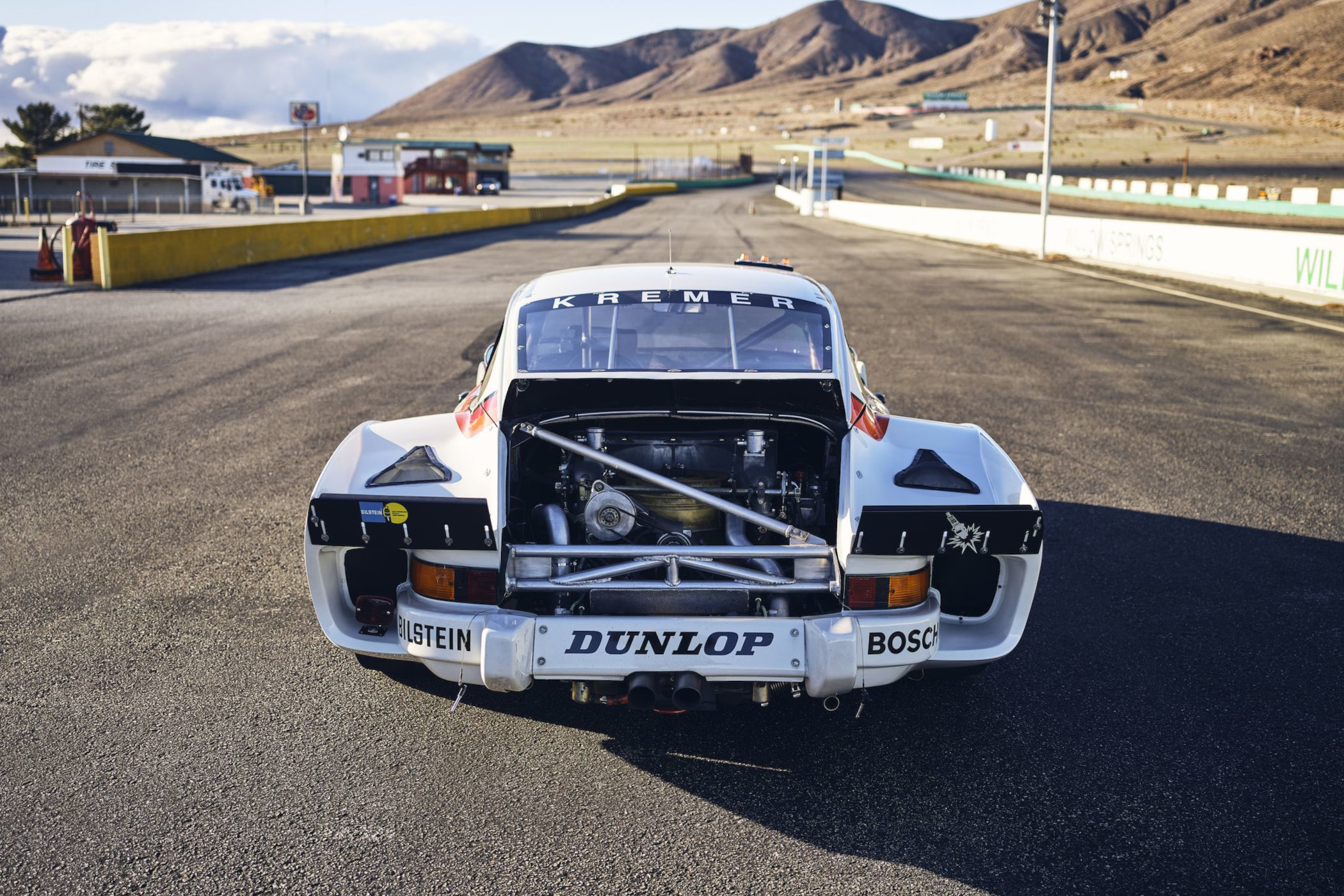
Porsche 935 K3
One of the early downsides to turbocharging an engine was the time it takes to spool up the turbine through the exhaust gases of the engine, referred to as turbo lag. As a result, hitting the throttle midway through or out of a corner could be met with a delay, and then a surge of power sending you sideways if you’re not on your toes! That tendency gave the car a rather harrowing nickname: the Widowmaker. Finetuning the technology for half a century, though, has ironed out those issues very much, and today’s 911 Turbo S is a very usable and reassuring car to drive hard. But you don’t have to…
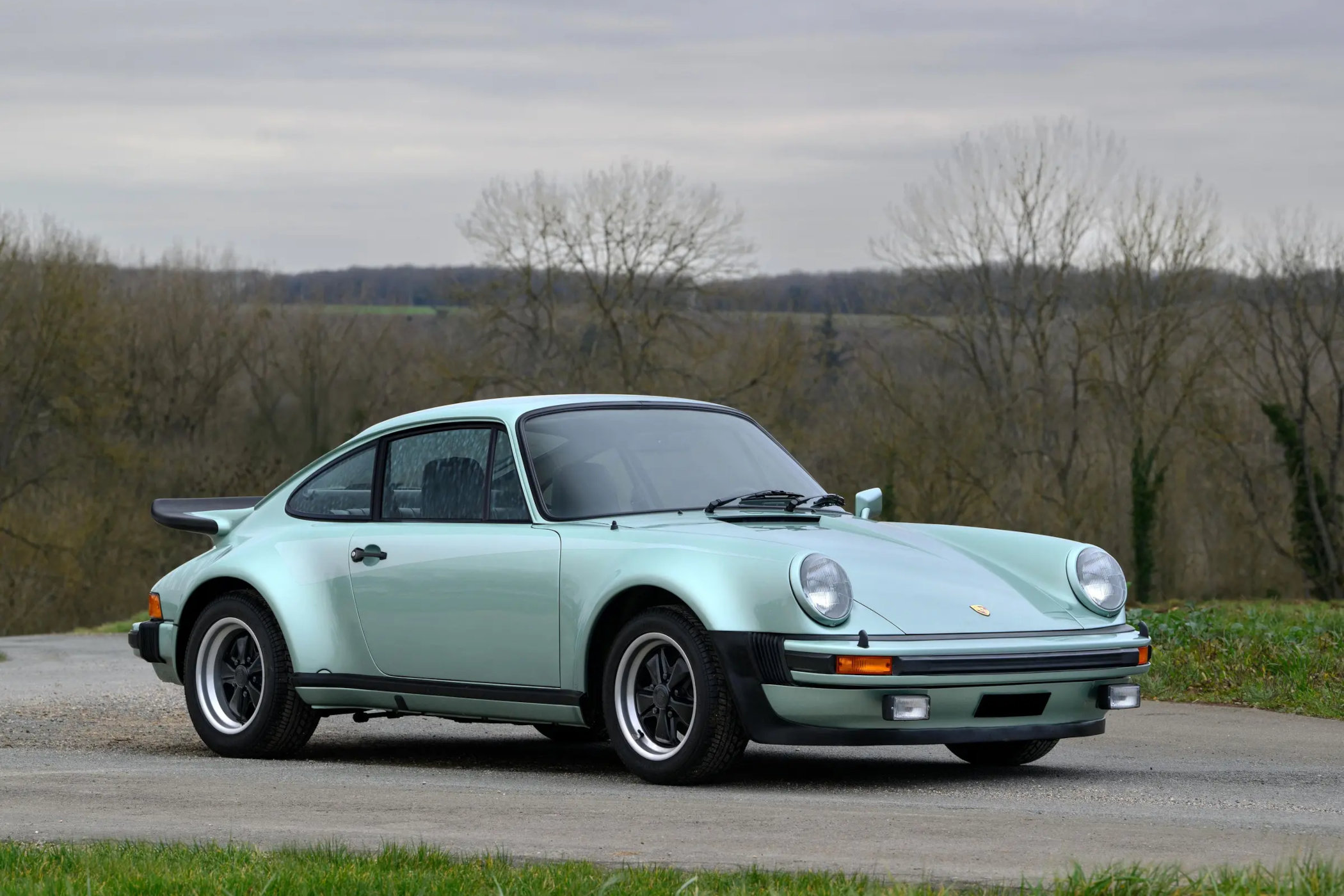 1975 Porsche 930 Turbo Coupé – Bonhams Cars.
The 992.2-gen 911 Turbo S
With every generation of the 911, including the mid-lifecycle updates, it’s a matter of time before special versions start rolling off the production line in Stuttgart. And with it, anticipation for some of the hottest 911 reaches new heights. We’ve driven quite a few of them over the past couple of years, including the naturally-aspirated 992.2 GT3 and turbo-hybrid 992.2 GTS, yet they all have different personalities. So how does this new Turbo S, the new king-of-the-hill, fit into the line-up? Simple, really: it is the fastest, most versatile 911 in the arsenal. Sure, on the track, a weapon like the GT3 RS will run circles around it, and on the road, the T might provide a purer sense of driving, but the 911 Turbo S is the best car to go anywhere you want, fast!
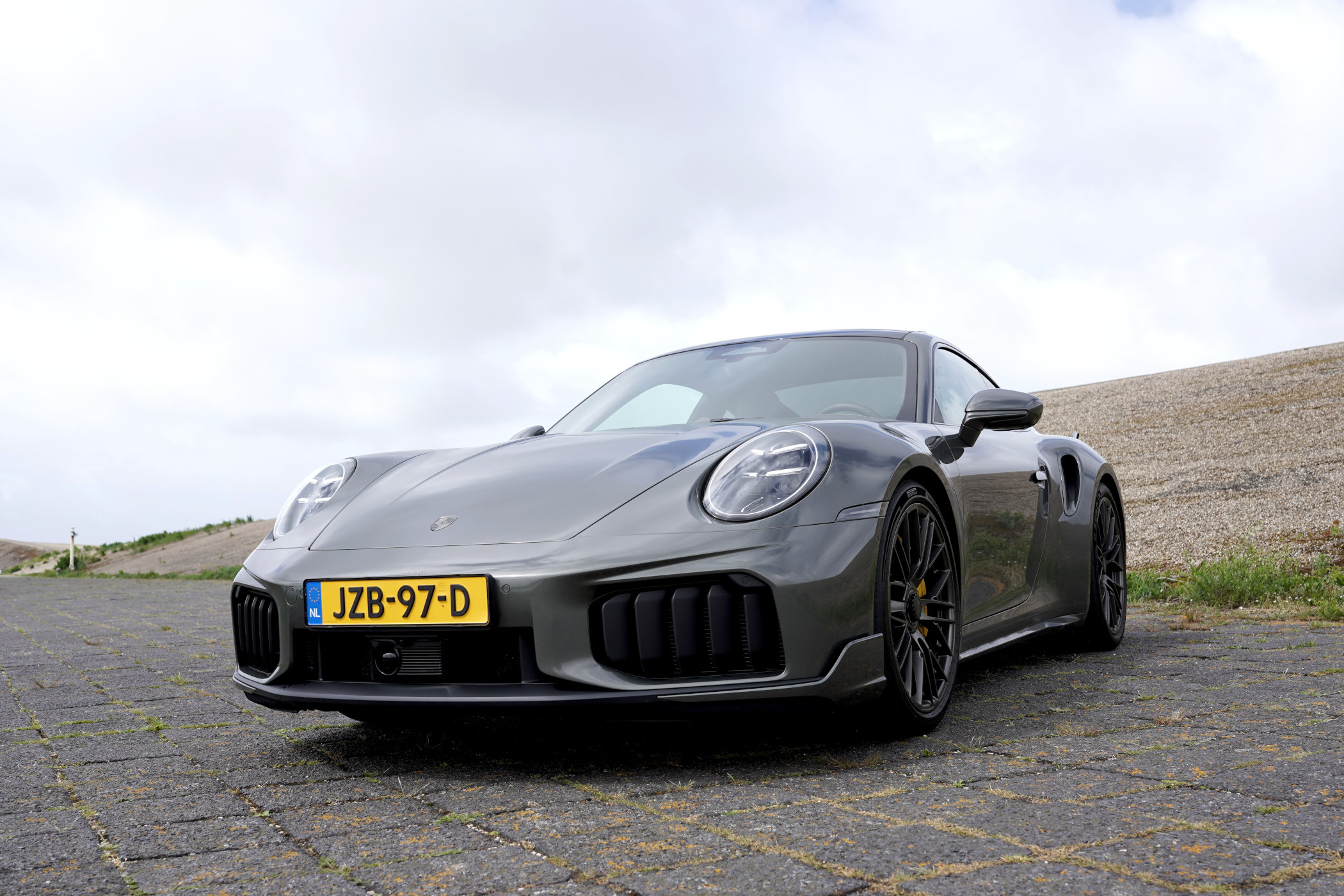
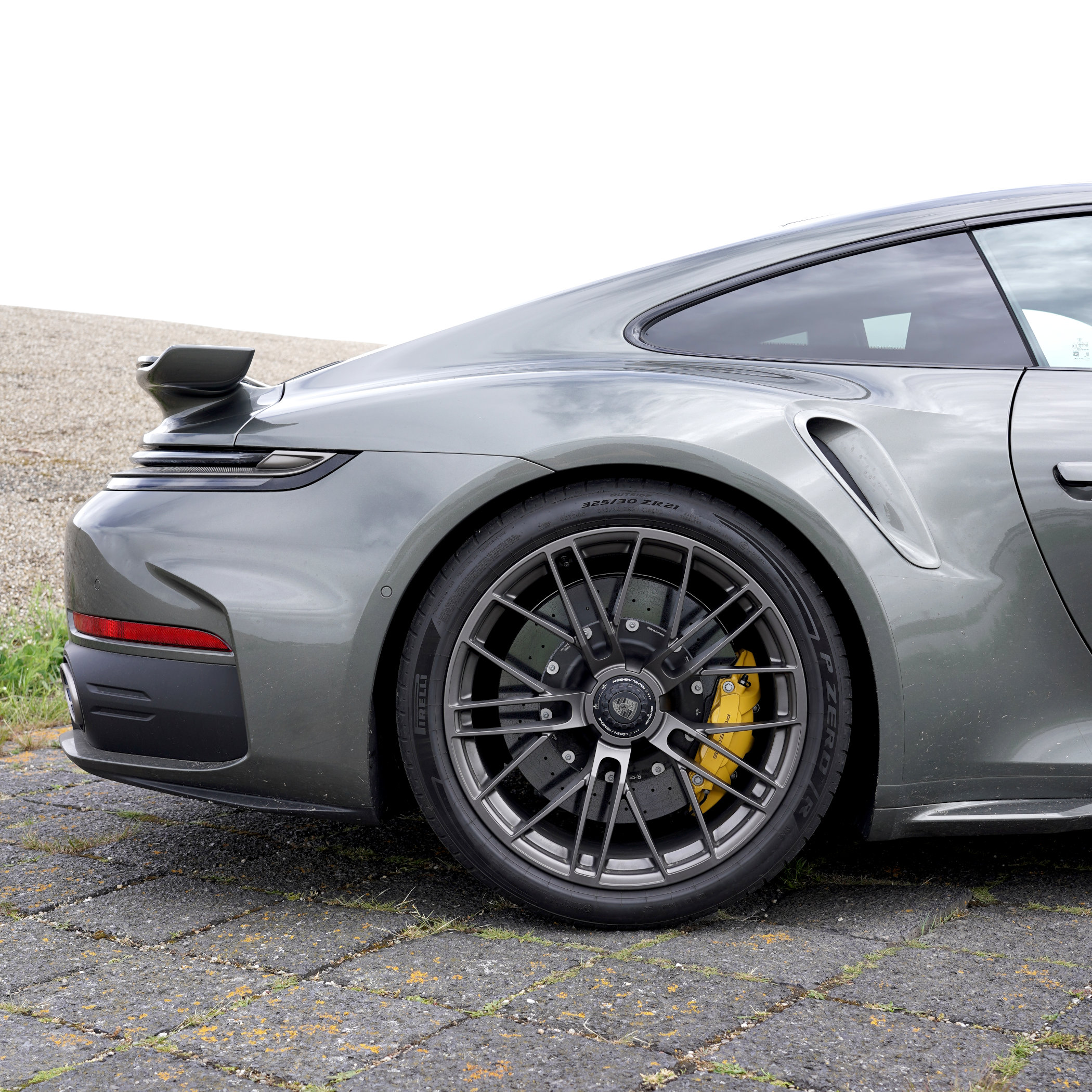
The 992.2 generation Turbo S is an evolution of some of the best bits of current Porsche 911s. The engine is the latest generation 3.6-litre twin-turbocharged six-cylinder boxer engine that’s also used in the GTS. And similar to the GTS, it uses its 400-volt T-Hybrid system to reduce turbo-lag and improve the torque output at low revs. Where things differ, though, is in the turbocharging itself. The GTS, as the simplest comparison to make, uses a bigger, single turbo with electric support to hit 541bhp. The Turbo S, however, comes with two slightly smaller turbos with the same EV support to reduce lag. This setup allows the turbos to spool up faster, giving you a much quicker response and even more power across the board. The result is a staggering 711bhp and 800Nm of torque! And that 170-horsepower jump makes a huge difference in performance! Top speed goes up from 312kph to 322kph, with the zero-to-100kph time dropping from 3.0 seconds to a scorching 2.5 seconds. Power is fed through an 8-speed PDK gearbox to all four wheels, and ceramic brakes come as standard.
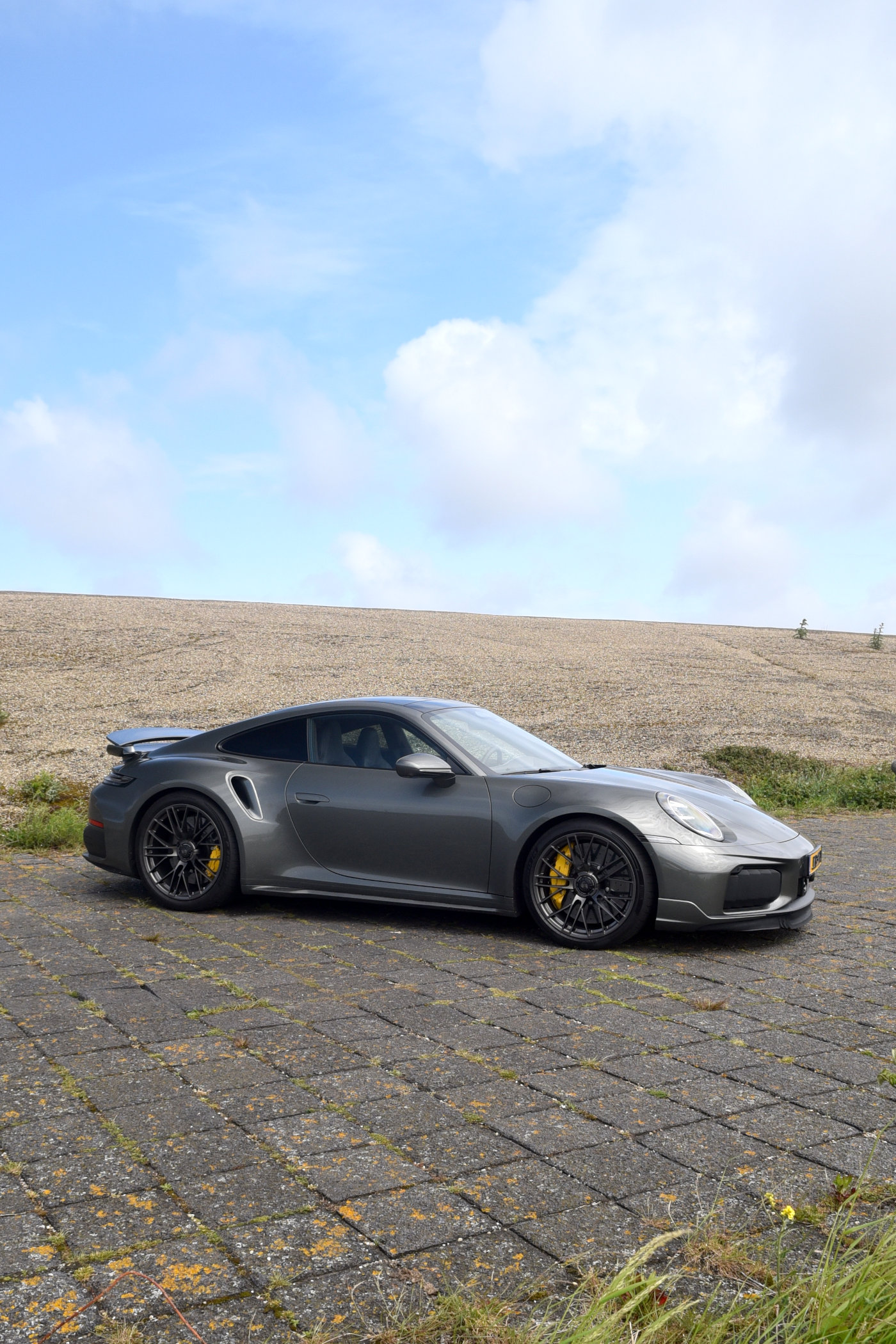
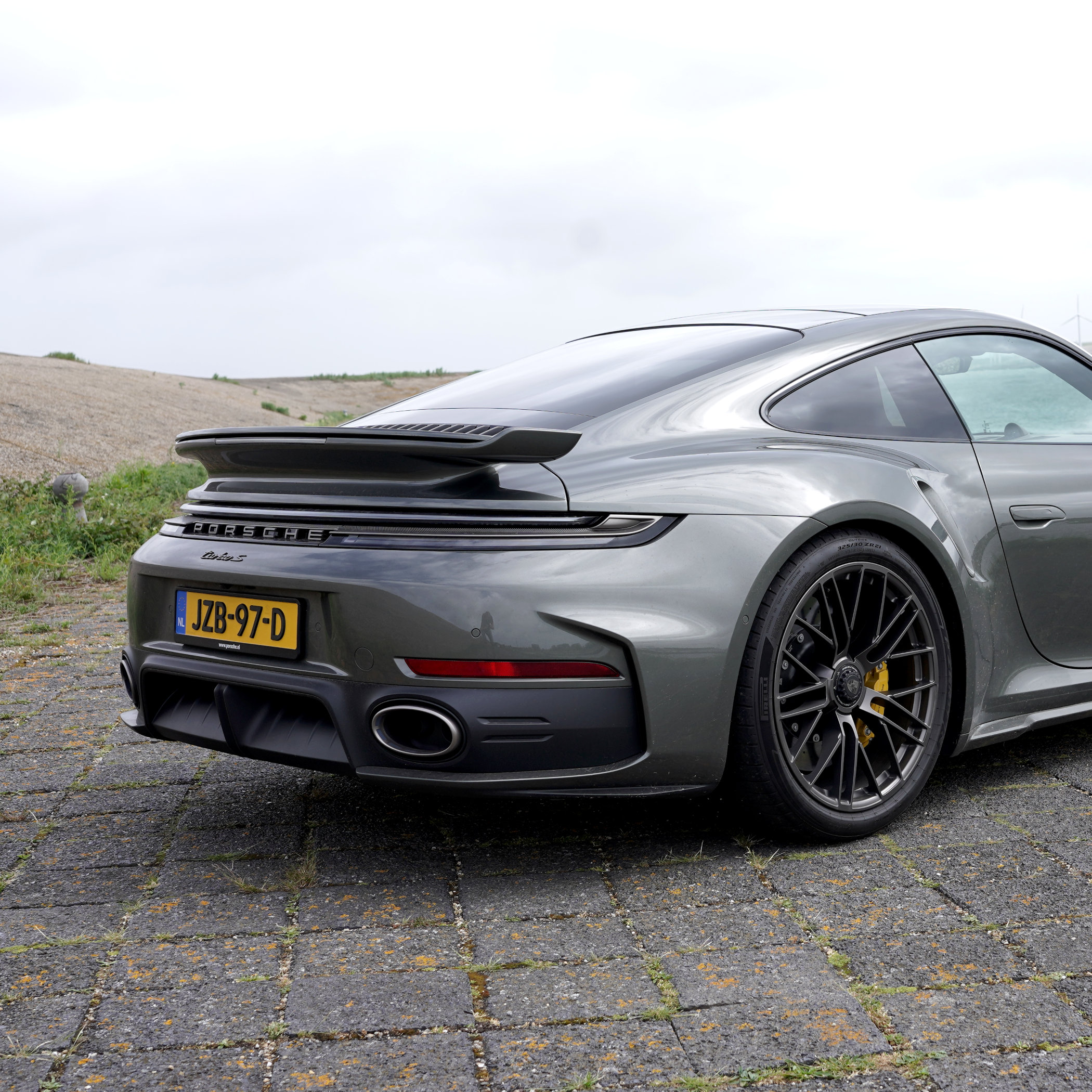
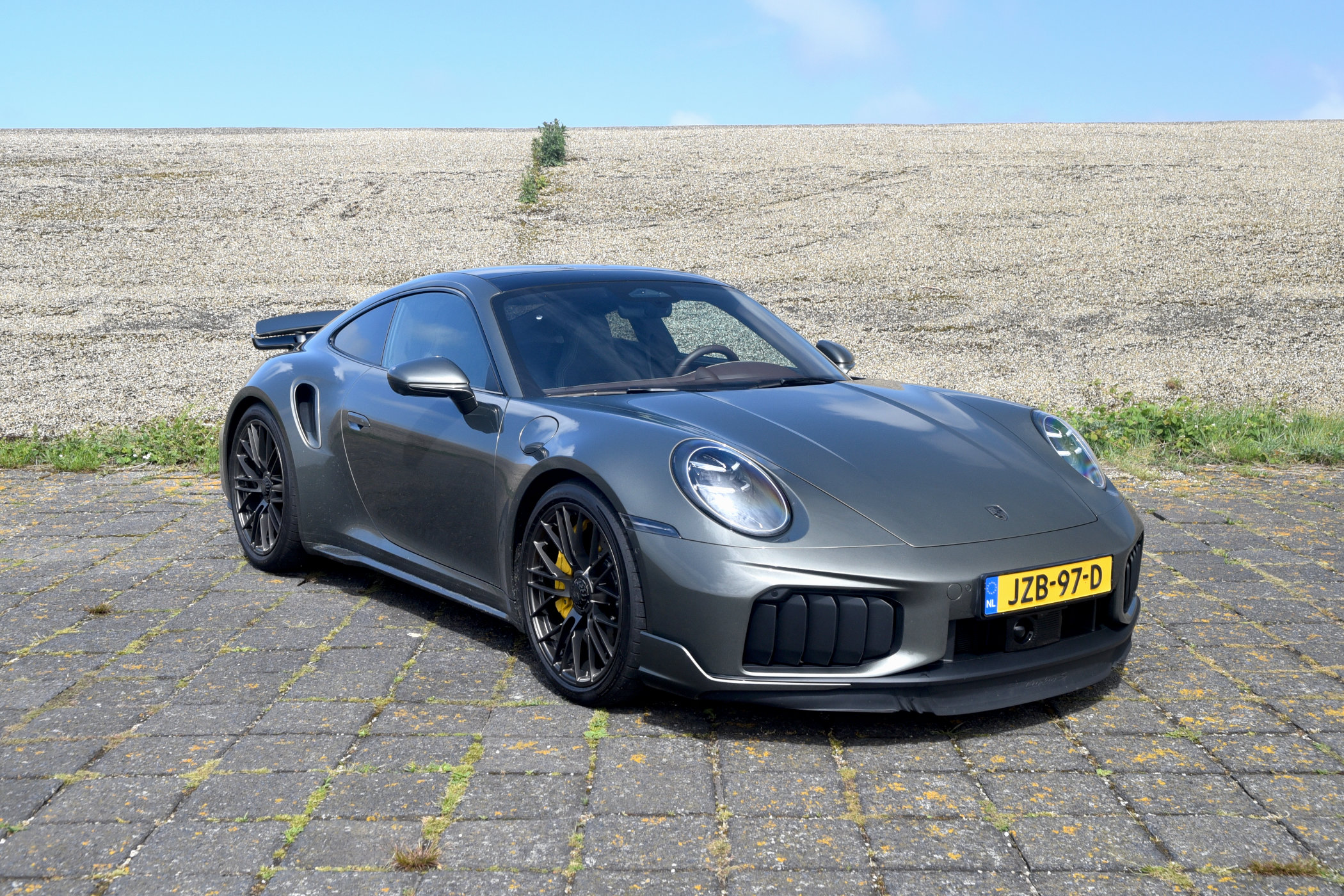
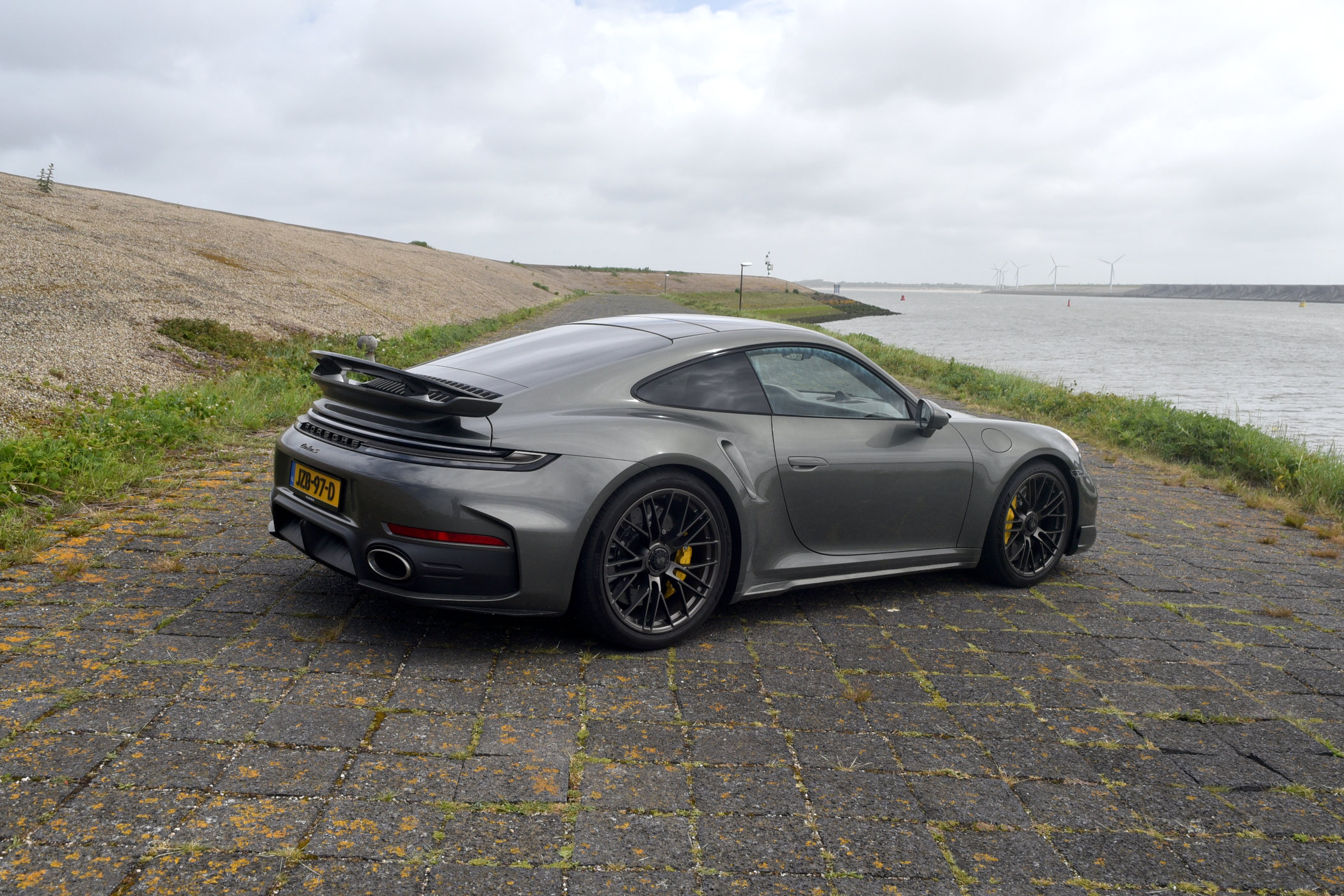
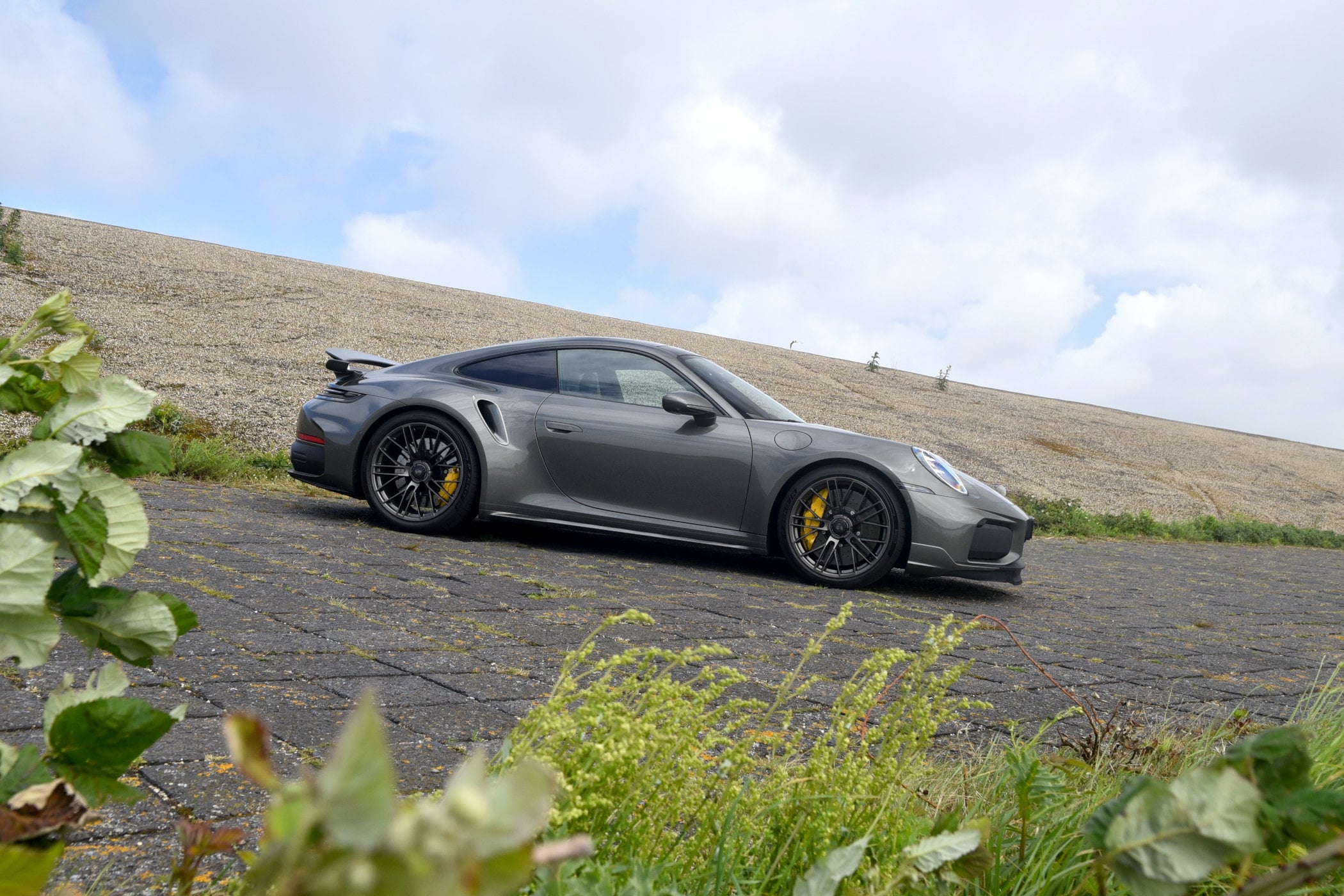
On the outside, the Turbo S can be recognised by a couple of things, including a fixed, adjustable rear wing and that signature air intake in front of the rear wheels. The front bumper has a series of vertical slats that open and close depending on the cooling needs of the car. The wheel arches are slightly wider as well, and the rear bumper is more pronounced. As standard, the current 911 Turbo S comes with twin box-shaped exhaust tips, which I don’t feel befit the look of the car very much. Luckily, Porsche provides an optional titanium exhaust system with oval tips, which is the go-to look if you ask me!
The Turbo S on the road
Shortly before driving the 911 Turbo S, we had the chance to test the 911 GT3 Touring as well as the 911 GT3. And what stands out from those cars, compared to this one, are a few things. First and foremost, they are totally different cars in character. The GT3 and GT3 Touring are extremely sharp to drive, always eager to go and above all else: stiff. They beg you to push a little harder, give a little more, brake a little later and so on. I compared the 911 GT3 Touring to a cross between a Jack Russel (always full of energy) and the power of a Pitbull, and you trying to keep control through the leash as best as you can. And while both cars distilled a huge sense of trust and security from the get-go, the 911 Turbo S is a very different beast.
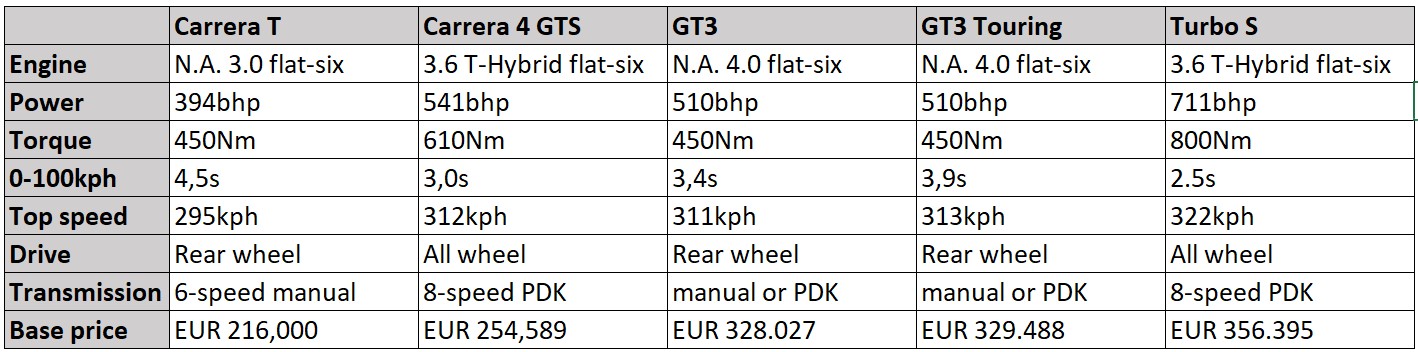
The thrill of speed is also very, very different. Where the GT3s scream their heart out, all the way to 9,000rpm, and make you feel every little vibration and rumble as the speed climbs to illegal speeds very quickly, the Turbo S is faster, but doesn’t feel like it. Entering the highway at 80kph and stomping on the loud pedal as soon as traffic cleared had me hitting illegal speeds in a heartbeat. It shocked me how quickly it gets there, and how stable and reassuring it feels. It’s mind-blowing how controllable the car is at speeds. It never feels out of place, never puts a foot wrong, and never gives an inch while it hurdled towards the horizon. Even the GTS we drove last year doesn’t come close to this. I described that one as a Jekyll-and-Hyde car, as it felt more of a hooligan than this one, despite being quite down on power. The 911 Turbo S is, well, drama-free at even greater speeds. The acceleration is relentless, and very linear, in all gears and pretty much across the rev band, but never over-aggressive. It just feels a bit less mental, a bit less hardcore, and for daily comfort and pleasure, I might actually prefer it like that.
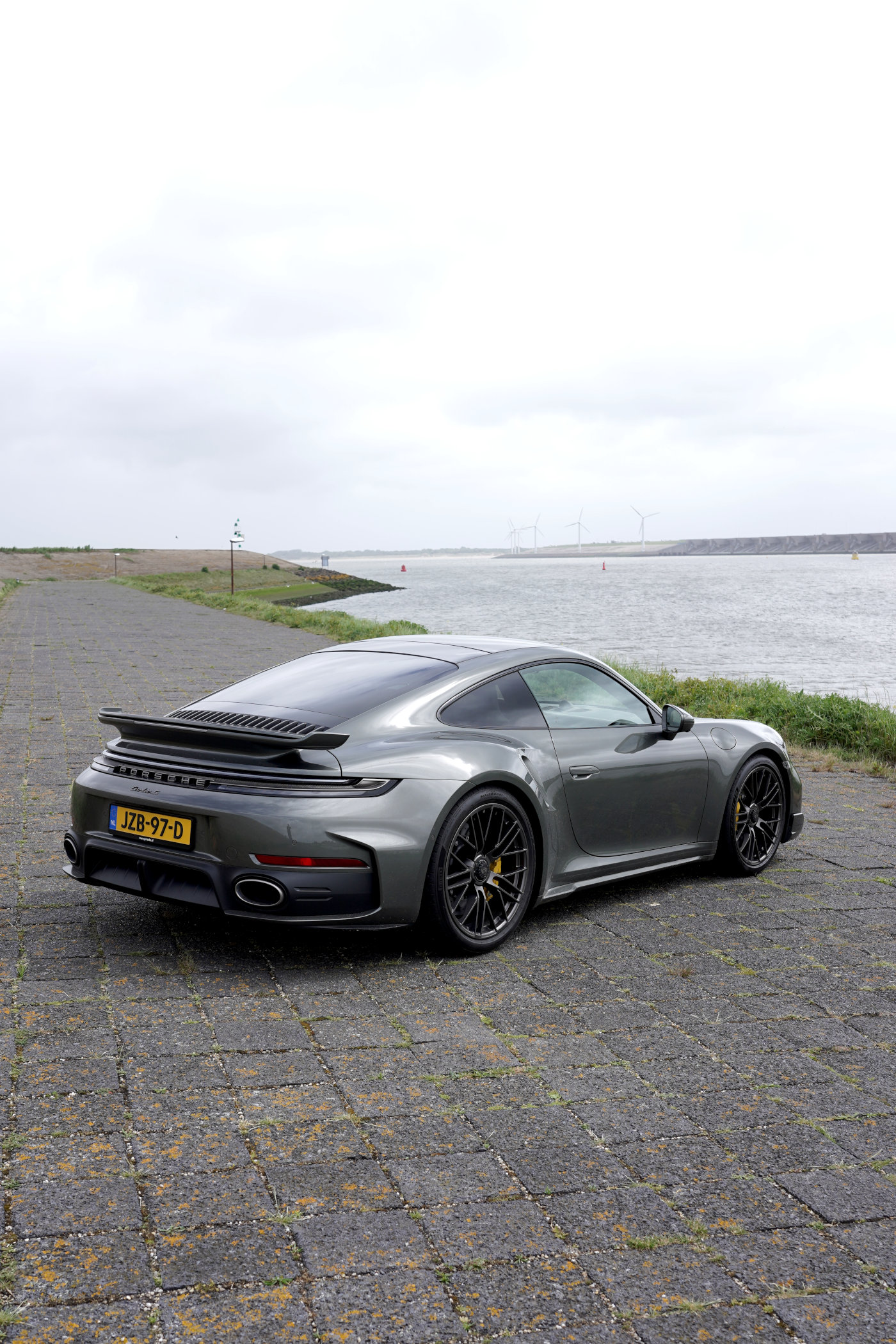
But that doesn’t mean it’s not exhilarating to drive. I had a huge sensation of joy every time I got in it and drove it. At low speeds, it’s a comfortable cruiser, trundling along with the rest of the traffic. Give it a little ‘oomph’ and put it in Sport mode, and it sharpens up considerably, without beating you down like a prize fighter. Then switch to Sport+, and everything gets turned to eleven, yet it still feels manageable, like you say what the car should do instead of the other way around. Corners are dealt with as if they hardly exist, bumps are smoothed out very nicely, and stomping on the ceramic composite brakes actually is like throwing out an anchor. Be careful, though, as even something as rock-solid as 992.2-gen 911 Turbo S can bite. I got a little bit too eager getting off a roundabout, and it made a little side-step, with systems like TCS, PDCC and PASM systems easily catching it and sorting things out before I could even respond, as I kept my foot firmly planted.
Is it the one to have?
That depends on who you ask. I, for one, think it’s pretty much the perfect all-rounder in the current 911 line-up. It’s monstrously fast, comfortable at any speed, easily drivable through towns and traffic and doesn’t break your back. We joked about the cup holder, wireless phone charger and door pockets in the GT3 Touring, and the Turbo S is no different on those fronts, yet you get more practicality as well. Back seats, for instance, which can actually be used, as well as the front trunk. And what’s also quite pleasant is the fact that it doesn’t scream “LOOK AT ME” one bit. It’s almost subtle, refined and gentlemanly, especially in this lovely Aventurine Green paint over Truffle Brown leather. The cabin is comfortable and spacious (for a sports car) with controls easily reached from left to right. Where some 911s excel in one area and disappoint or at least challenge you in another, this one just does everything very, very well! Which for me…. would be exactly what I want out of a 911!
Frank’s view
As Robin already mentioned, over the past months, Porsche has lent us the Carrera T, Carrera GTS, GT3 and GT3 Touring. All absolutely brilliant cars that offer an unparalleled bundle of joy. I’m looking at these cars to try and figure out how they would be as a daily driver. For the past 7 years, I’ve been driving a 997 1st-generation Carrera S, manual, as my daily. That’s my reference. And I love it for its immersive driving experience; you’re very involved, you feel the road, you feel the tyres, it’s a very analogue experience, and a bit ‘raw’. I’m no fan of turbos. Too much unpredictability when the turbo kicks in, and I prefer a tad more predictability in a car that I use as a daily drive.
So, comparing the Carrera T, the GTS, the two GT3’s to my own 997, and now the Turbo S. Somehow the GTS felt disconnected, not as analogue and direct as I prefer my cars to be. It felt front-heavy, and the steering felt a bit numb. The Carrera T, on the other hand, felt very analogue, very involved, with a lot of driving sensation! Sure, less powerful, but more than enough power for the open roads! The abundance of power in the GTS did not make up for the lack of sensation. If I had to compare it, the sensation in the Carrera T came from feeling everything: the wheels on the road, the steering feedback, the gradual build-up of power. In the GTS, the sensation only came after I looked down at the Speedometer… like “Ooops”. Mighty fast, but you didn’t feel getting there…
Now the GT3 and GT3 Touring, on the other hand, they offered an abundance of sensation! Oh my… what a machine, both of them! That 4-litre flat six in the back is a brilliant engine; the sound is magnificent, addictive, and you just want more, and more, and more. But then again… is this what I would like as a daily? Well, probably not… It’s too raw, too harsh and too inviting to put your right foot down. That’s either going to be expensive in tickets, or in damage. So while both GT3’s offered me exactly what I like… an analogue driving experience… both sort of overdid it, and maybe not my ideal car for daily driving.
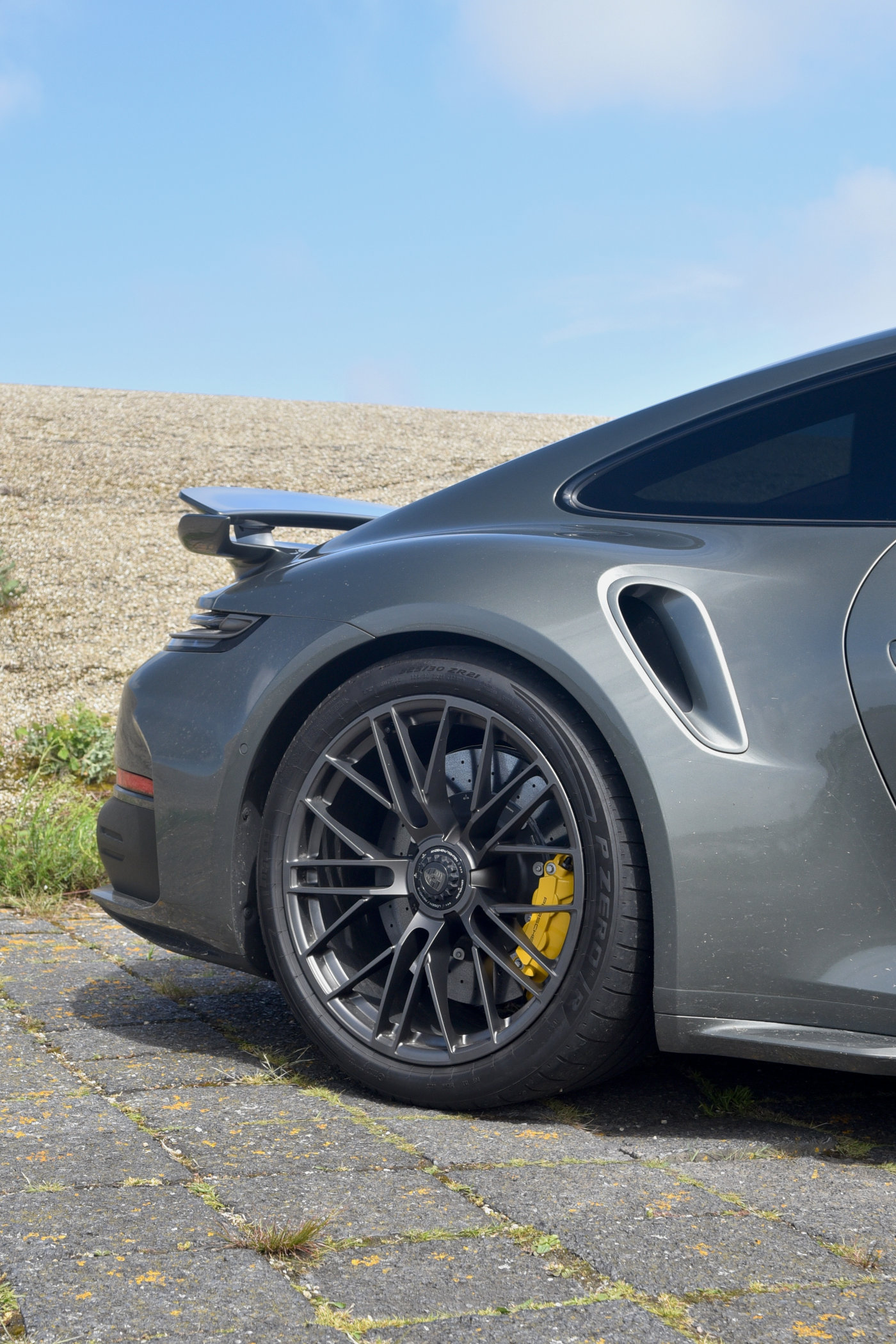
So far, the Carrera T looked to be the perfect modern replacement for my own 911. It’s fun, powerful enough, and offers a very involved, analogue driving sensation. And then came the Turbo S. On paper, not my choice. It has a turbo; no, it has two turbos! It’s way too powerful at 711 bhp and probably not for me. I thought. But in reality, it felt much more connected, more analogue than I imagined, and offered a much bigger driving sensation than I expected! It’s probably the best grand tourer you can imagine, and at the same time it’s a monster, a missile, and it does its thing without making too much of a fuss of it. It quietly, discreetly does its thing… of being insanely fast. But only when you want it. For the rest, it offers a smooth drive, involved, connected, analogue and oh so pleasant. This driving experience ignited something I’m coming back to… and it involved trading in my beloved 997.
For more information, please visit Porsche.com.
Editorial Note: The information used and images portrayed in this article are our own or sourced from and used with permission of Porsche AG, unless stated otherwise.
https://monochrome-watches.com/the-petrolhead-corner-porsche-911-turbo-s-992-2-711-bhp-review-drive-test-specs/